
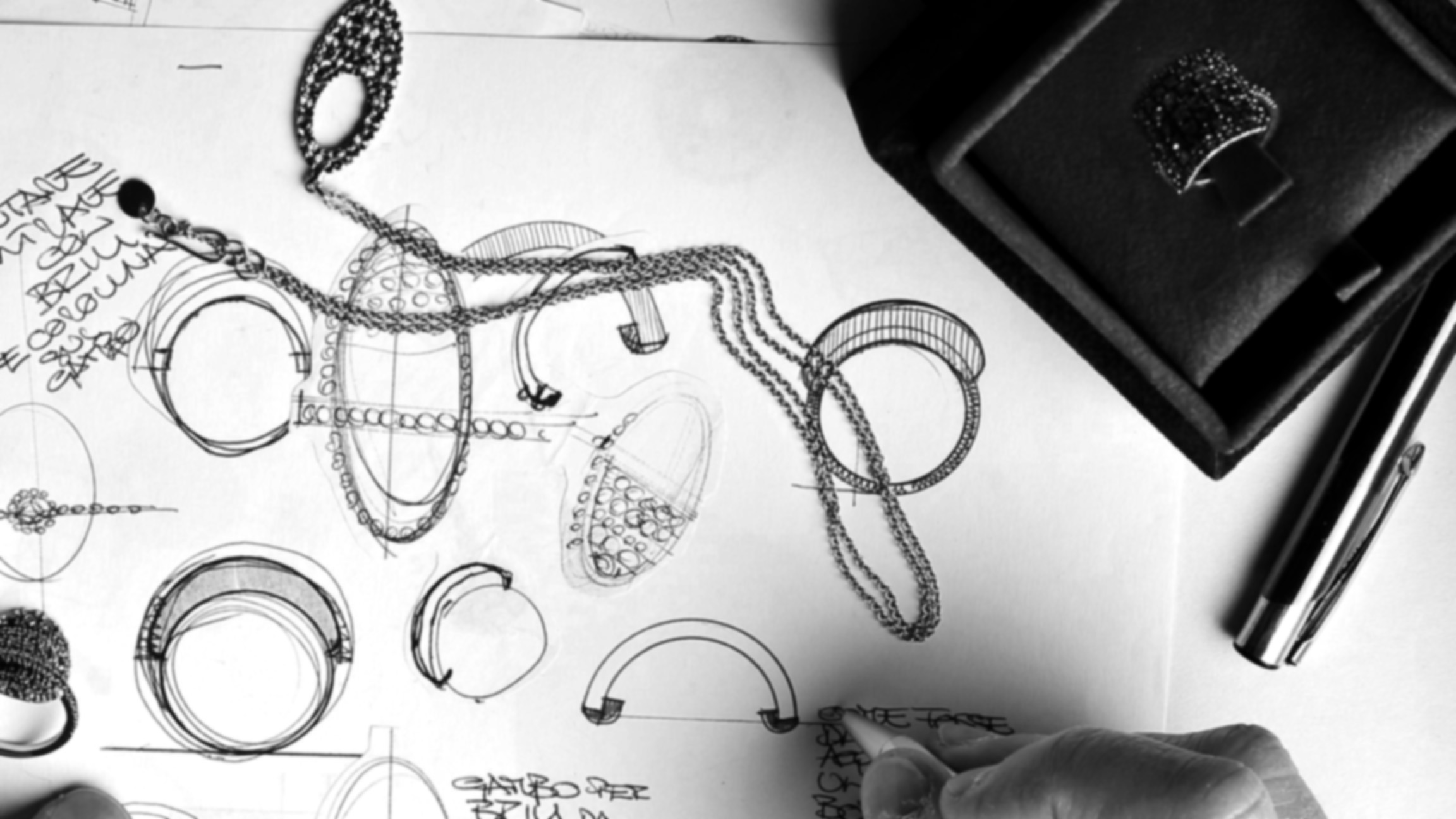
Il reparto si occupa della trasformazione dei progetti iniziali del brand in soluzioni produttive validate.
In sinergia con il cliente, analizziamo la fattibilità tecnica e ottimizziamo geometrie, volumi e pesi per garantire il corretto bilanciamento tra estetica, funzionalità e costo di produzione.
Ogni campione è progettato secondo logiche DFM (Design for Manufacturing), con particolare attenzione alla scalabilità e alle esigenze logistiche.
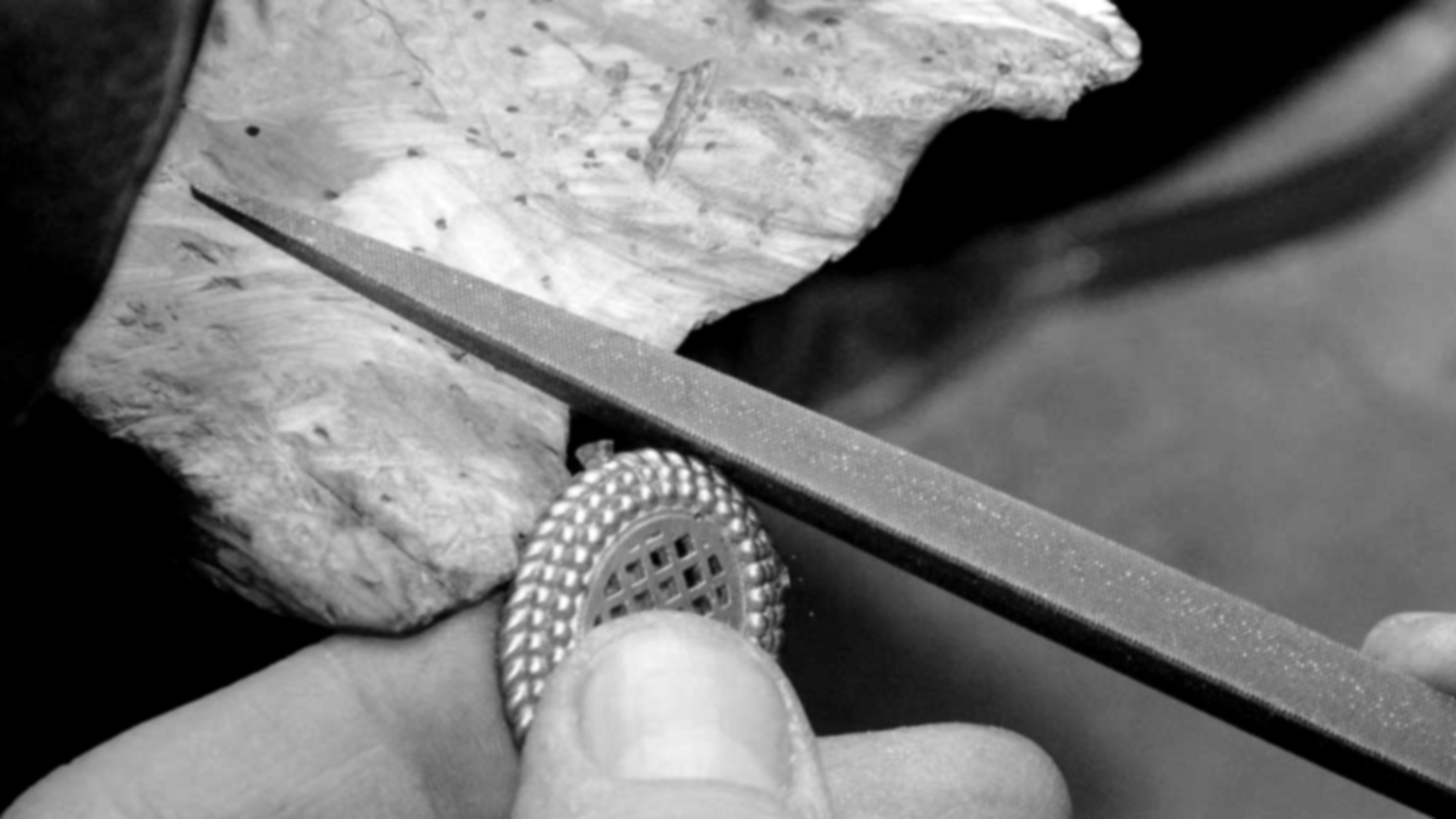
Realizziamo modelli fisici attraverso modellazione manuale o digitale, in base al livello di dettaglio richiesto.
Utilizziamo software specifici integrati con il ciclo produttivo e tecnologie additive per garantire tolleranze dimensionali precise, coerenza estetica e compatibilità le lavorazioni successive.
Il processo è tracciabile e ogni fase viene validata internamente.
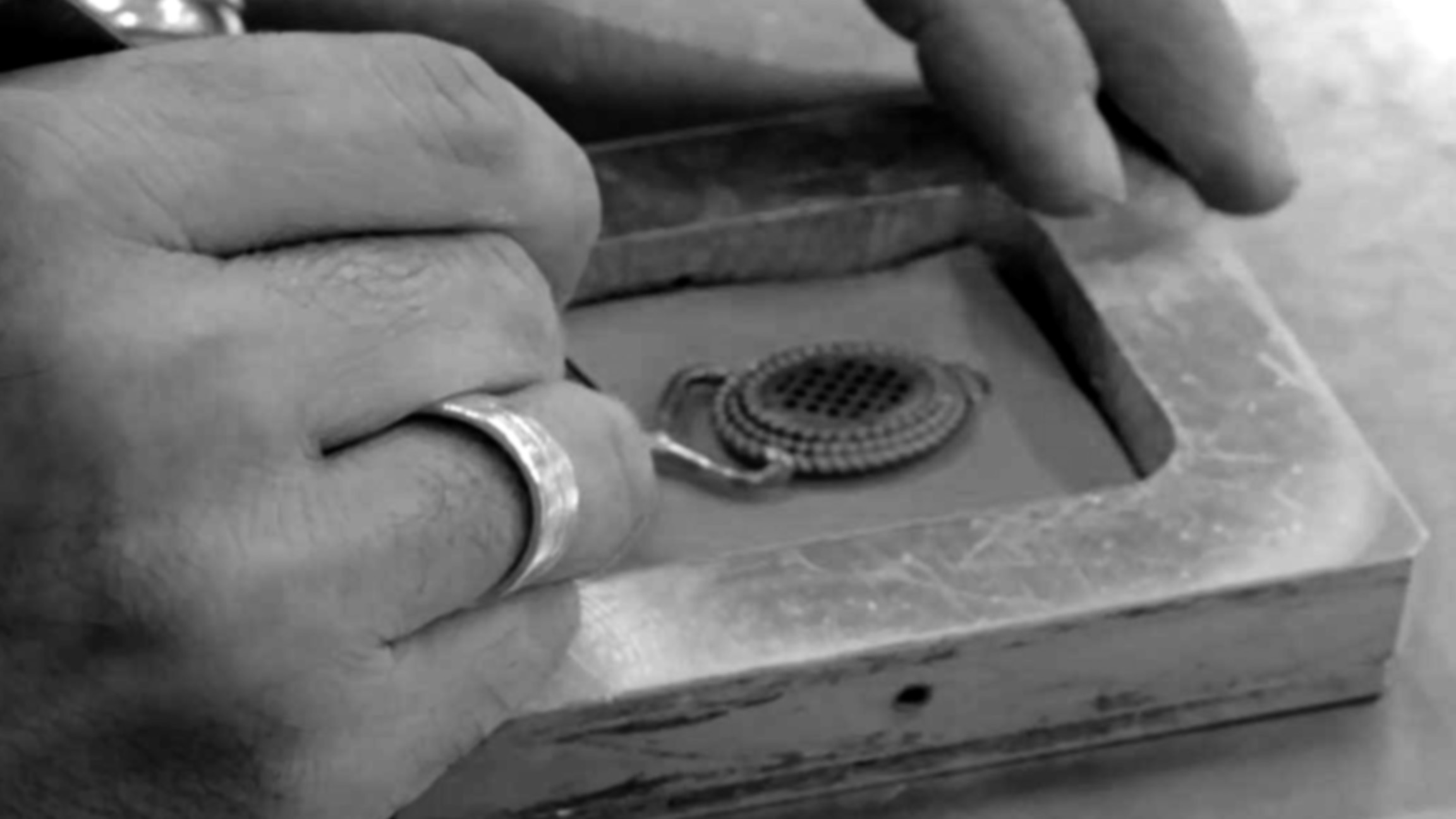
Questa fase consente il passaggio dalla prototipazione alla produzione seriale.
L’ufficio industrializzazione redige schede tecniche, definisce i parametri tecnici, progetta flussi di produzione ottimizzati per raggiungere la massima qualità.
Il reparto collabora attivamente con la produzione e il controllo qualità per garantire ripetibilità, minimizzazione degli scarti e coerenza tra lotti.
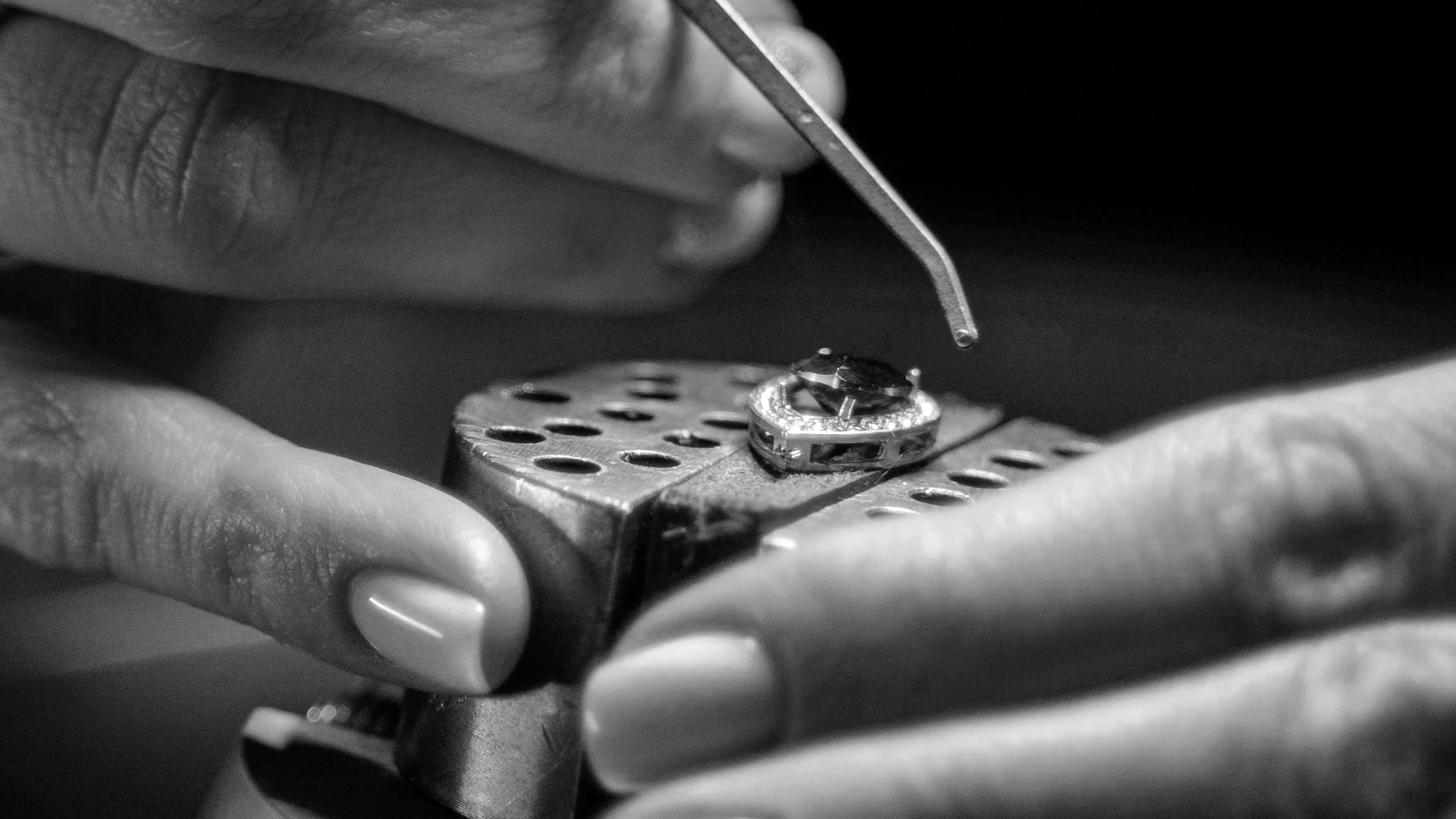
Il reparto è dotato di personale specializzato in incasso pietre, zirconi e cristalli su cera. Il processo viene integrato prima della fusione in funzione delle geometrie.
Gli incassi sono effettuati sotto lente e verificati tramite sistemi di visione per assicurare simmetria, tenuta e qualità estetica costante.
Il reparto è organizzato per intervenire anche su incassatura di pietre sul metallo dimensionato.
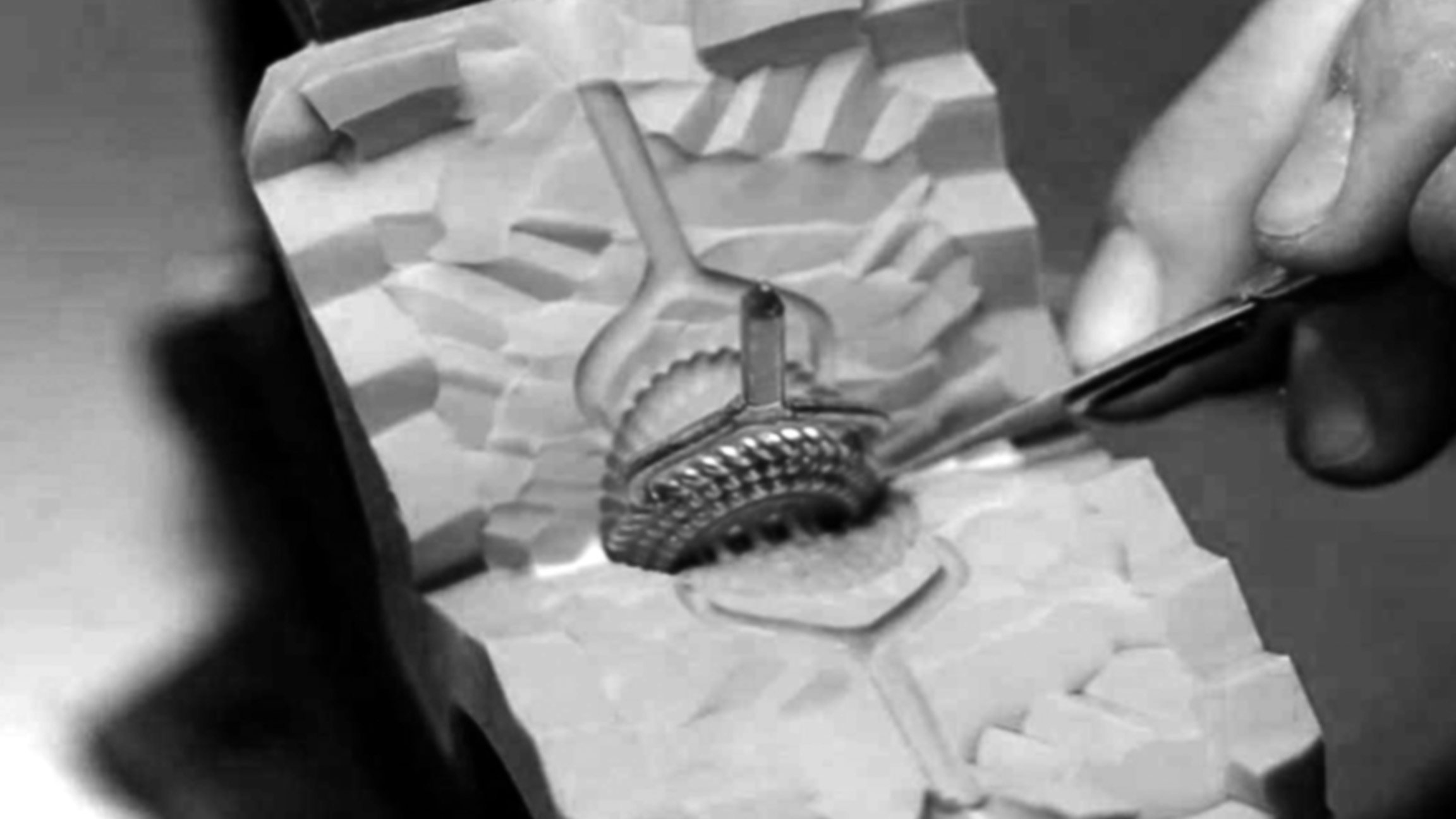
Gestiamo internamente l’intero ciclo di riproduzione tramite stampi in gomma vulcanizzata. Ogni stampo è registrato, codificato e tracciato.
Il processo di iniezione delle cere è svolto con macchinari a temperatura e pressione controllata, ottimizzato per ridurre difettosità come bolle e tensioni interne.
Il reparto lavora su lotti stabiliti controllando continuamente la qualità dello stampo. Ogni lotto cere viene controllato da un check CQ.
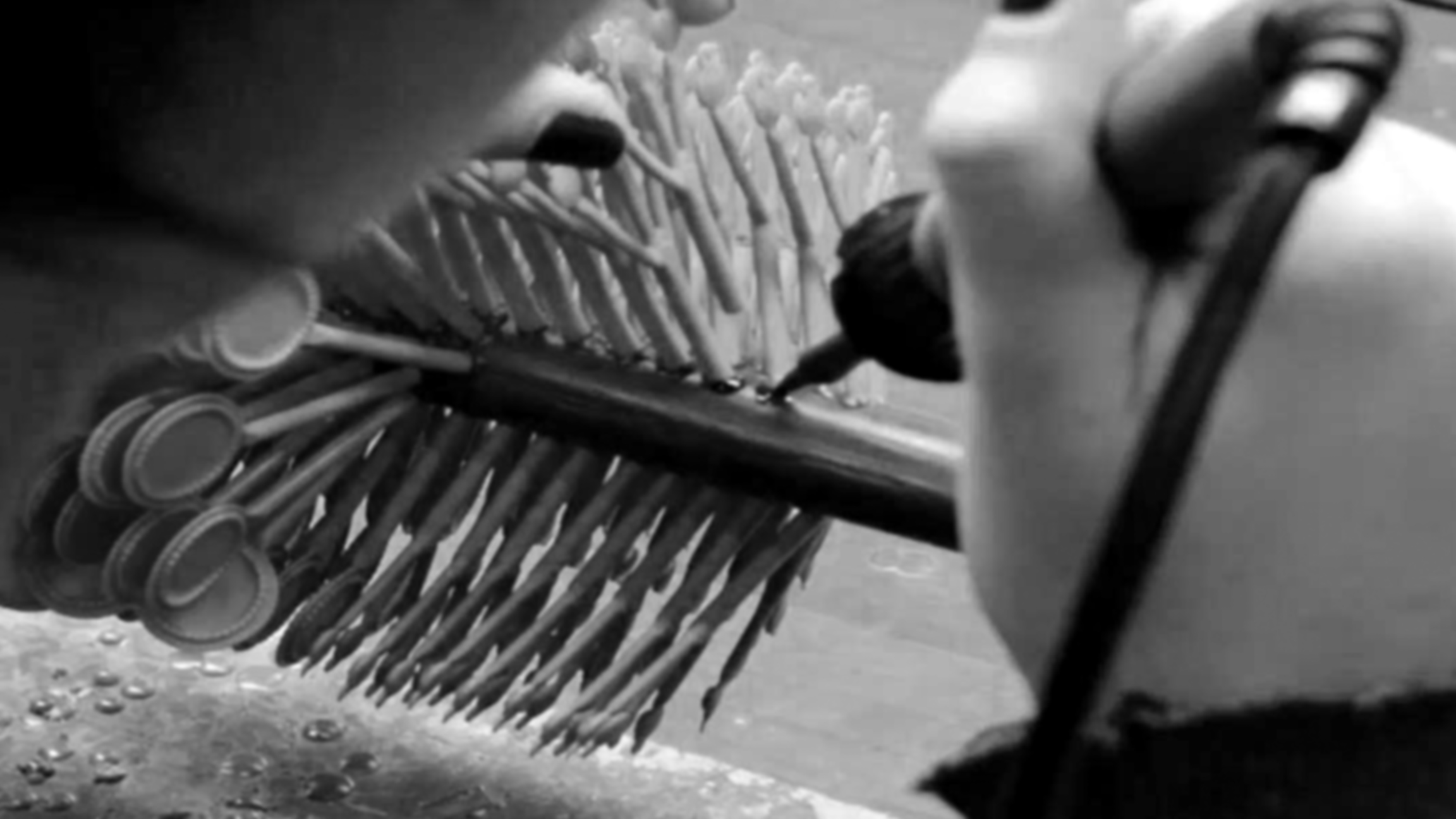
Disponiamo di stampanti 3D per cera fondibile (casting wax), ideali per prototipi, micro-serie e geometrie complesse non ottenibili con stampo tradizionale.
La tecnologia consente tempi di sviluppo rapidi e validazione estetica e funzionale pre-stampaggio.
Il ciclo include post-trattamento e rifinitura manuale per garantire uniformità.
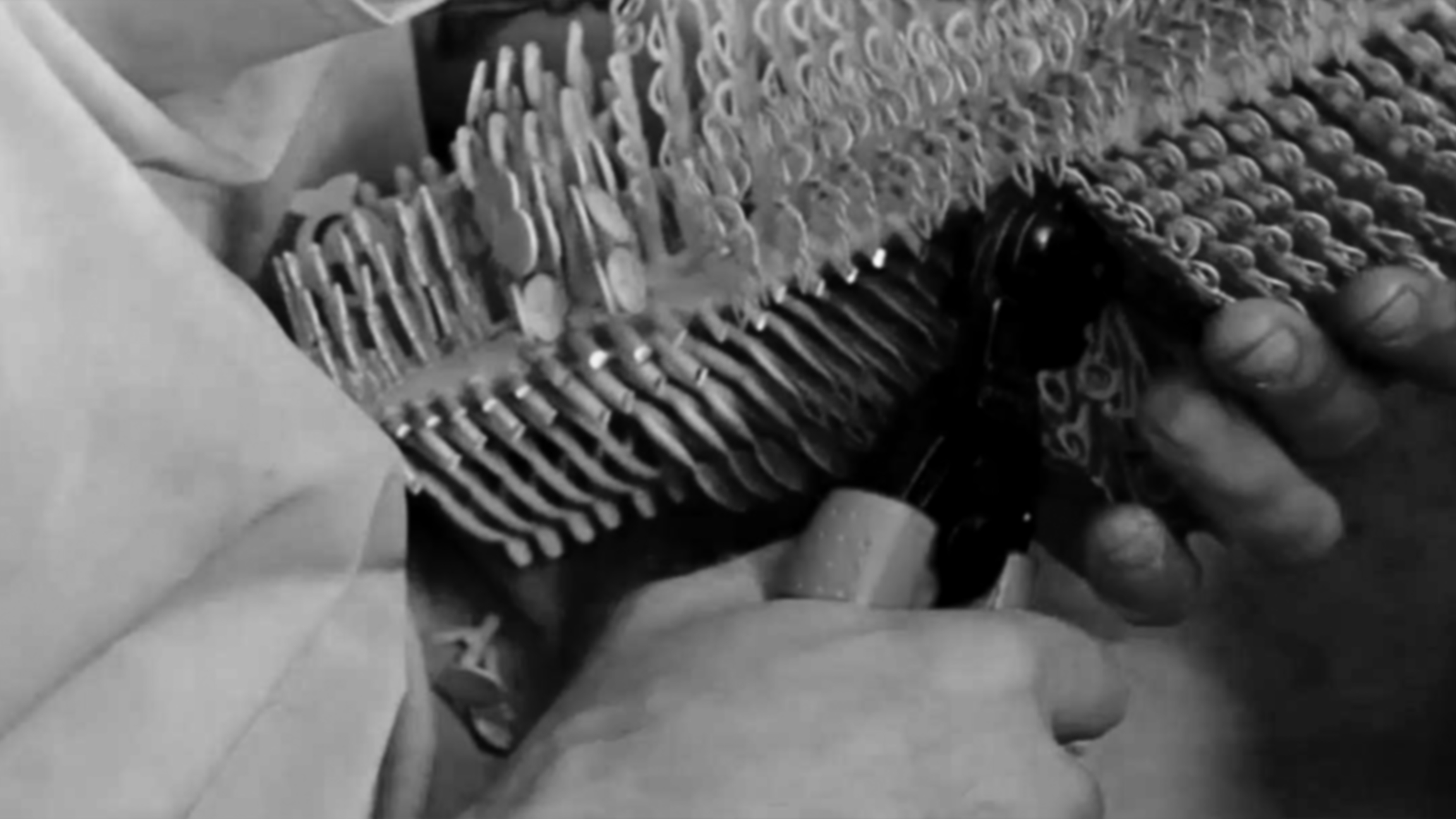
Il reparto effettua la separazione dei singoli pezzi dal canale di colata.
Ogni pezzo è rifinito a banco per eliminare bave e imperfezioni.
È prevista una prima selezione per individuare anomalie macroscopiche, che permette l’intercettazione degli scarti prima delle finiture.
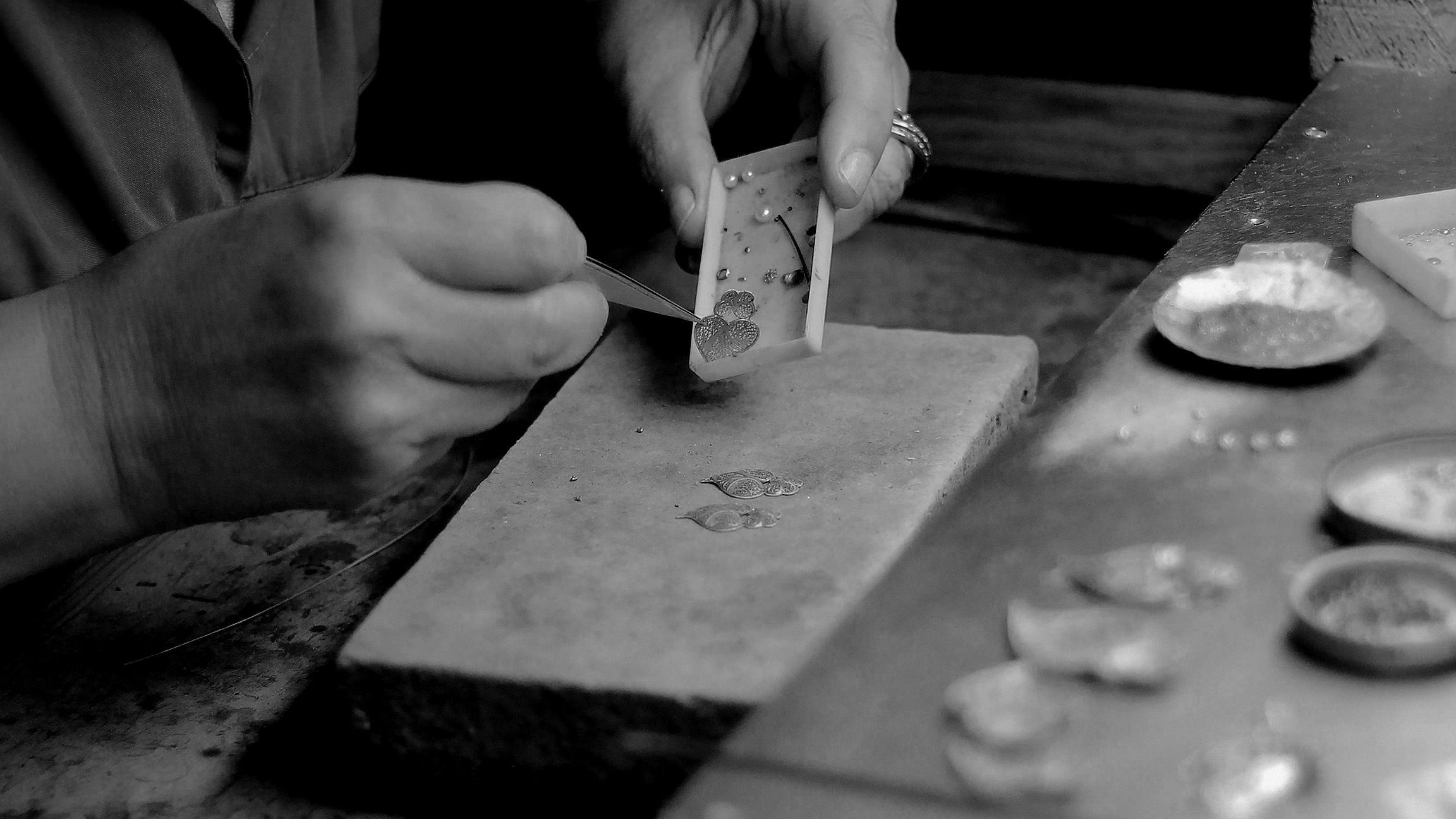
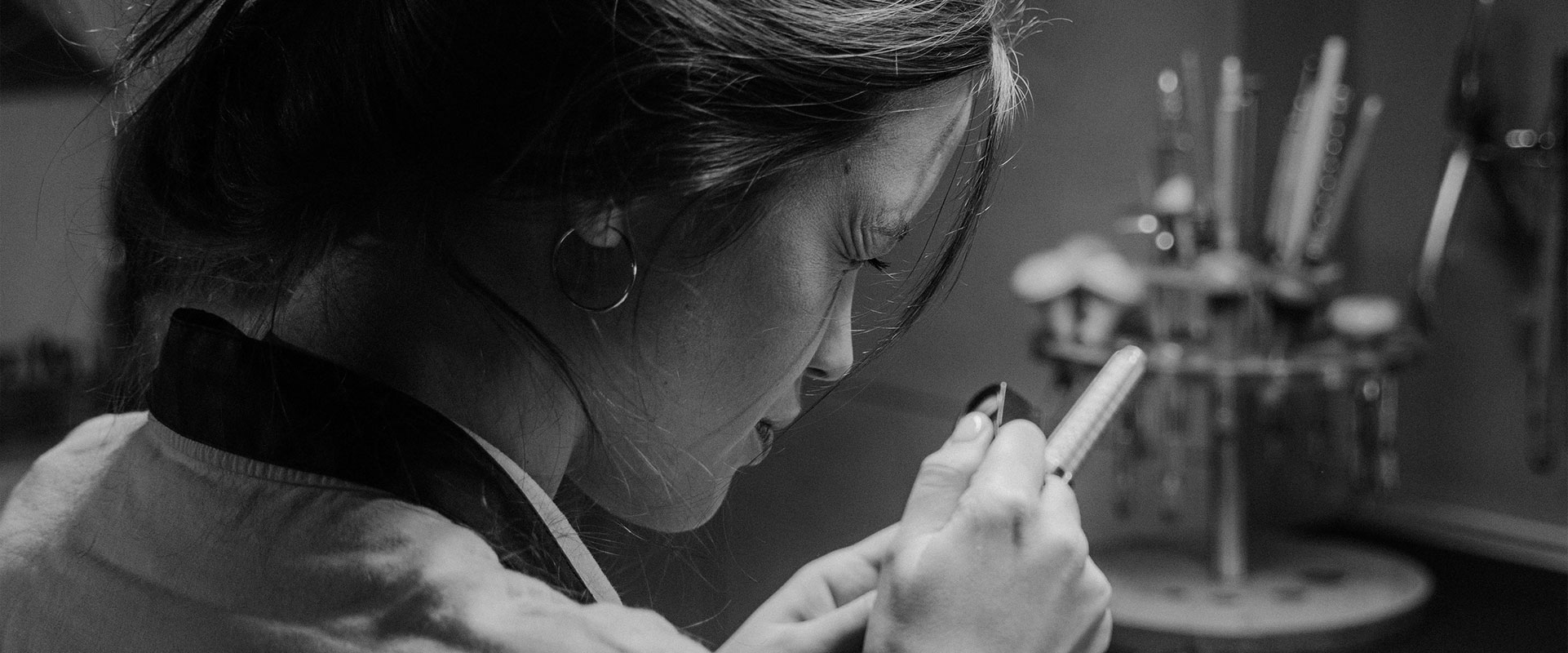
Il reparto è composto da operatori specializzati nella lavorazione e rifinitura dei singoli pezzi: limature, saldature, adattamenti e micro-lavorazioni.
Ogni postazione è attrezzata con aspirazione dedicata e strumenti ottici.
Gli standard di lavorazione sono definiti in base a schede tecniche cliente o specifiche di collezione.
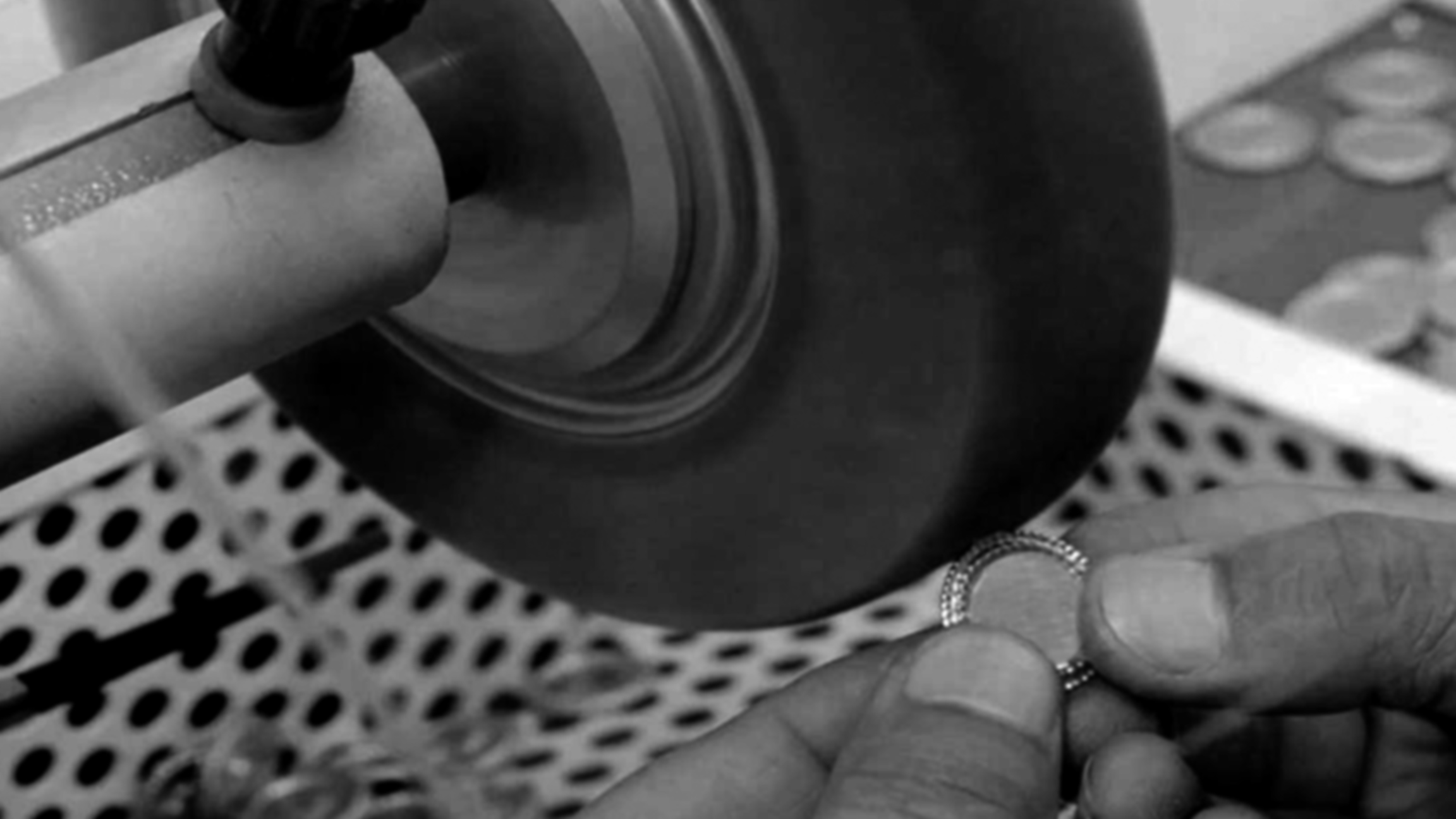
Disponiamo di impianti a buratto per vibrolucidatura sia a umido che a secco, gestiti da personale formato in chimica di processo.
Ogni ciclo è calibrato in funzione della lega, della rugosità richiesta e delle specifiche estetiche.
Le soluzioni abrasive e i tempi di trattamento sono validati per lotto e registrati, garantendo risultati coerenti e ripetibili.
This site uses cookies to offer you a
better browsing experience.
Bropin
We firmly believe that the internet should be available and accessible to anyone, and are committed to providing a website that is accessible to the widest possible audience, regardless of circumstance and ability.
To fulfill this, we aim to adhere as strictly as possible to the World Wide Web Consortium’s (W3C) Web Content Accessibility Guidelines 2.1 (WCAG 2.1) at the AA level. These guidelines explain how to make web content accessible to people with a wide array of disabilities. Complying with those guidelines helps us ensure that the website is accessible to all people: blind people, people with motor impairments, visual impairment, cognitive disabilities, and more.
This website utilizes various technologies that are meant to make it as accessible as possible at all times. We utilize an accessibility interface that allows persons with specific disabilities to adjust the website’s UI (user interface) and design it to their personal needs.
Additionally, the website utilizes an AI-based application that runs in the background and optimizes its accessibility level constantly. This application remediates the website’s HTML, adapts Its functionality and behavior for screen-readers used by the blind users, and for keyboard functions used by individuals with motor impairments.
If you’ve found a malfunction or have ideas for improvement, we’ll be happy to hear from you. You can reach out to the website’s operators by using the following email
Our website implements the ARIA attributes (Accessible Rich Internet Applications) technique, alongside various different behavioral changes, to ensure blind users visiting with screen-readers are able to read, comprehend, and enjoy the website’s functions. As soon as a user with a screen-reader enters your site, they immediately receive a prompt to enter the Screen-Reader Profile so they can browse and operate your site effectively. Here’s how our website covers some of the most important screen-reader requirements, alongside console screenshots of code examples:
Screen-reader optimization: we run a background process that learns the website’s components from top to bottom, to ensure ongoing compliance even when updating the website. In this process, we provide screen-readers with meaningful data using the ARIA set of attributes. For example, we provide accurate form labels; descriptions for actionable icons (social media icons, search icons, cart icons, etc.); validation guidance for form inputs; element roles such as buttons, menus, modal dialogues (popups), and others. Additionally, the background process scans all the website’s images and provides an accurate and meaningful image-object-recognition-based description as an ALT (alternate text) tag for images that are not described. It will also extract texts that are embedded within the image, using an OCR (optical character recognition) technology. To turn on screen-reader adjustments at any time, users need only to press the Alt+1 keyboard combination. Screen-reader users also get automatic announcements to turn the Screen-reader mode on as soon as they enter the website.
These adjustments are compatible with all popular screen readers, including JAWS and NVDA.
Keyboard navigation optimization: The background process also adjusts the website’s HTML, and adds various behaviors using JavaScript code to make the website operable by the keyboard. This includes the ability to navigate the website using the Tab and Shift+Tab keys, operate dropdowns with the arrow keys, close them with Esc, trigger buttons and links using the Enter key, navigate between radio and checkbox elements using the arrow keys, and fill them in with the Spacebar or Enter key.Additionally, keyboard users will find quick-navigation and content-skip menus, available at any time by clicking Alt+1, or as the first elements of the site while navigating with the keyboard. The background process also handles triggered popups by moving the keyboard focus towards them as soon as they appear, and not allow the focus drift outside it.
Users can also use shortcuts such as “M” (menus), “H” (headings), “F” (forms), “B” (buttons), and “G” (graphics) to jump to specific elements.
We aim to support the widest array of browsers and assistive technologies as possible, so our users can choose the best fitting tools for them, with as few limitations as possible. Therefore, we have worked very hard to be able to support all major systems that comprise over 95% of the user market share including Google Chrome, Mozilla Firefox, Apple Safari, Opera and Microsoft Edge, JAWS and NVDA (screen readers).
Despite our very best efforts to allow anybody to adjust the website to their needs. There may still be pages or sections that are not fully accessible, are in the process of becoming accessible, or are lacking an adequate technological solution to make them accessible. Still, we are continually improving our accessibility, adding, updating and improving its options and features, and developing and adopting new technologies. All this is meant to reach the optimal level of accessibility, following technological advancements. For any assistance, please reach out to